

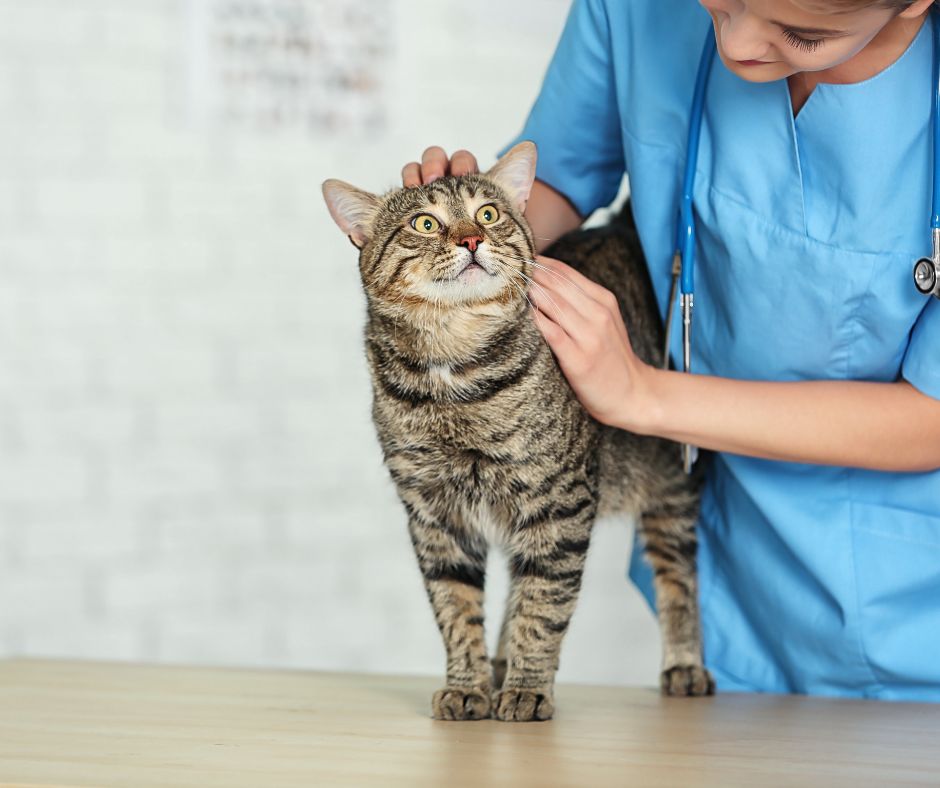
The role of veterinary medicine has evolved significantly over the centuries, transforming from rudimentary care for animals into a sophisticated and comprehensive field that addresses the full spectrum of animal health. Veterinarians are no longer seen merely as animal doctors; they are integral to the well-being of the animals under their care, as well as the broader community. Veterinary medicine encompasses everything from routine check-ups and vaccinations to complex surgeries and specialized treatments. It is a field that combines scientific expertise with a deep compassion for animals, and its importance cannot be overstated.
The Foundations of Veterinary Medicine
Historically, veterinary care was a practical, hands-on profession that emerged out of necessity. Ancient civilizations, such as the Egyptians and Greeks, recognized the importance of caring for animals, particularly those used for farming and transportation. The earliest known veterinary texts date back to 1500 BCE in Egypt, where the first rudimentary practices were developed to treat common ailments of livestock. However, it wasn’t until the 18th century that formal veterinary schools were established in Europe, with the first veterinary college founded in Lyon, France, in 1761.
Since then, veterinary medicine has seen exponential growth in its scope, knowledge, and applications. Today, veterinarians are trained to treat a vast range of animals, from household pets and livestock to exotic species and wildlife. The modern veterinary profession relies heavily on science, technology, and research, continually advancing in its ability to diagnose, treat, and prevent a wide array of diseases and conditions that affect animals.
The Multifaceted Role of Veterinarians
Veterinary care is not limited to diagnosing and treating diseases; it is an all-encompassing practice that involves numerous facets aimed at maintaining the health and well-being of animals.
1. Preventive Care and Health Maintenance
One of the most critical aspects of veterinary medicine is preventive care. Just like humans, animals require routine check-ups to maintain their health and avoid the onset of serious diseases. These visits often include vaccinations, parasite control, and health screenings to catch potential problems before they become critical. For example, dogs and cats routinely receive vaccinations against common infections, such as rabies, distemper, and feline leukemia. Regular wellness exams help veterinarians assess the overall health of the pet, detect early signs of illness, and provide recommendations for diet, exercise, and lifestyle changes.
2. Diagnostic Medicine
Veterinary medicine has seen remarkable advances in diagnostic tools. From blood tests and X-rays to MRIs and ultrasound, modern veterinary practices are equipped to identify and diagnose a wide range of conditions. This allows veterinarians to make informed decisions about treatment plans and to offer the best possible care for their animal patients. Diagnostic technology is particularly crucial in detecting diseases that are not immediately apparent, such as cancer, heart disease, or internal organ dysfunction. With these advanced tools, veterinarians can offer more precise and effective treatment options, increasing the chances of recovery and improving the quality of life for the animals they care for.
3. Surgery and Emergency Care
Like human physicians, veterinarians are highly trained in surgical procedures, ranging from routine spaying and neutering to more complex surgeries such as orthopedic procedures, tumor removal, or abdominal surgeries. Many veterinary clinics are equipped with the latest surgical technology, ensuring that animals receive the most advanced care possible. Emergency care is another vital area of veterinary medicine. Animals, like humans, can experience accidents, injuries, or sudden illnesses that require immediate medical attention. Veterinarians working in emergency or critical care settings are trained to handle these situations, providing life-saving interventions, pain management, and urgent treatments.
4. Specialized Care and Advanced Treatments
As veterinary medicine has advanced, so has the need for specialized care. Veterinarians can now focus on specific fields such as dermatology, cardiology, orthopedics, ophthalmology, and oncology. These specialists undergo extensive additional training and certification to provide expert care in their chosen fields. Specialized treatment options, including chemotherapy for cancer patients, dialysis for kidney disease, and advanced orthopedic surgeries, provide pets with access to cutting-edge medical care. Veterinary specialists work alongside general practitioners to ensure that animals receive comprehensive, multi-faceted care tailored to their specific needs.
5. Public Health and Epidemiology
Veterinarians play a vital role in the public health system, particularly in the field of epidemiology. Many diseases are zoonotic, meaning they can be transmitted between animals and humans. Veterinarians monitor these diseases to prevent outbreaks and protect human populations from potential threats. This is especially important in areas where animals are in close proximity to humans, such as farms or urban areas with a high concentration of pets. Veterinarians also assist in monitoring food safety, ensuring that livestock are healthy before entering the food supply chain, thus preventing the spread of diseases like avian influenza or bovine tuberculosis.
The Emotional and Ethical Aspects of Veterinary Medicine
While veterinary medicine is undeniably scientific and technical, it also carries a significant emotional component. Veterinarians form deep bonds with the animals they treat, and they often become part of their patients’ extended families. For many veterinarians, the emotional satisfaction of knowing they have improved or saved an animal’s life is one of the driving forces behind their work. However, the emotional challenges can be just as intense. Vet professionals are frequently faced with difficult decisions, such as determining when to euthanize a pet to prevent further suffering. These moments require a great deal of compassion, empathy, and ethical consideration. The responsibility of delivering bad news to pet owners, such as a terminal diagnosis, can also be a heart-wrenching aspect of the job.
The Growing Demand for Veterinary Professionals
As the human-animal bond continues to strengthen, the demand for veterinary services has grown. Pet ownership has risen worldwide, and animals are increasingly seen as beloved family members. As a result, veterinary professionals are in high demand, and the profession is expected to continue expanding in the coming decades. The growing recognition of the value of animal welfare, coupled with advances in veterinary medicine, ensures that the profession will remain a critical part of society for the foreseeable future.
However, this demand has also placed pressure on the veterinary field. The rigorous education required to become a veterinarian, coupled with the emotional and physical demands of the job, has led to concerns about burnout and mental health issues among veterinary professionals. Many veterinarians work long hours, often in high-stress environments, and are subject to the emotional toll of dealing with sick or injured animals. It is essential for the veterinary industry to address these concerns by providing support for the mental health and well-being of veterinarians, as their ability to care for animals depends not only on their medical expertise but also on their emotional resilience.
The Future of Veterinary Medicine
Looking ahead, the future of veterinary medicine is filled with exciting possibilities. The rise of telemedicine, for example, is allowing veterinarians to offer consultations and advice remotely, making care more accessible to pet owners, particularly in rural areas. The development of personalized medicine, using genetics and advanced diagnostics to create individualized treatment plans, holds great promise for improving outcomes and enhancing the quality of life for animals. Furthermore, the integration of artificial intelligence and data analytics into veterinary practices has the potential to revolutionize how diagnoses are made and treatments are tailored to specific animals.
Veterinary medicine is poised for continued growth and innovation, fueled by advances in science, technology, and a deeper understanding of animal health. As our relationship with animals becomes increasingly intertwined, the role of veterinarians will only grow in importance, helping to shape the future of animal care.
Conclusion
Veterinary medicine is a multifaceted and ever-evolving field that requires a delicate balance of scientific knowledge, technical skill, and emotional intelligence. Veterinarians are not only animal doctors but also advocates for animal welfare, protectors of public health, and guides to pet owners navigating the complexities of animal care. The profession continues to advance, driven by innovations in diagnostics, treatments, and technology, ensuring that our pets and animals, both domestic and wild, receive the best care possible. As our understanding of animal health deepens, so too will the ability of veterinarians to improve the lives of the animals they care for and, in turn, enrich the lives of the humans who love them.
